

Why YOU DANCE?
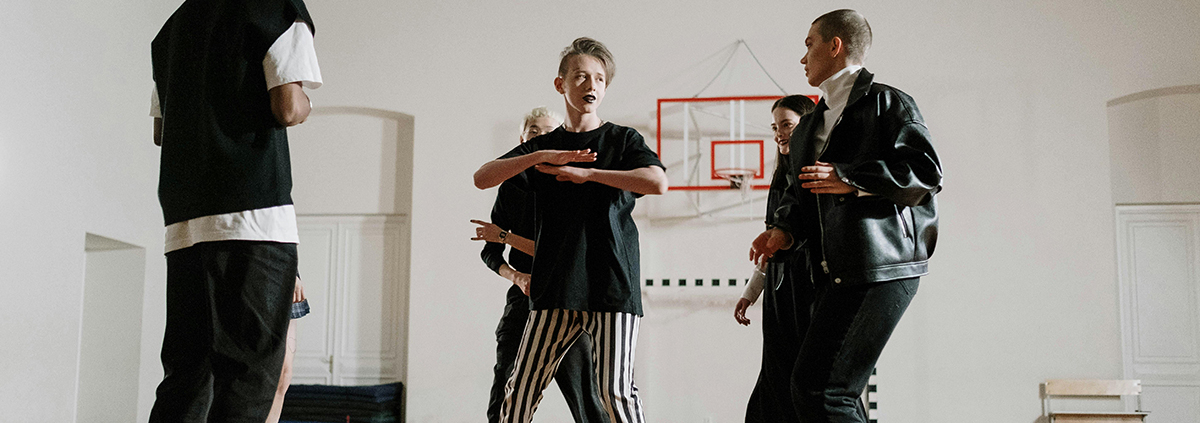
YOU DANCE is a project born from the strong belief that the experience of dance, both physical and emotional, can contribute to social inclusion and integration as it is a complete art form that allows you to experience moments of relationship and sharing with others, thanks to the predominantly physical activity of learning and practicing movements and choreographies, as well as dialogue and reflection with others, thanks to dramaturgical practice and the activity of constructing shows designed around current themes, literal and pictorial references, historical, ethnic.
From this perspective and consistently with the objectives of the project, the scientific literature also provides motivating elements for financing. The body is a necessary condition for cognitive development, the processes of which depend on the sensorimotor system. This concept expresses the meaning of the theory of Embodied Cognition (Wilson, 2002) which attributes the role of expression of cognition to the body. Consequently, it is essential to put the body in a state of well-being by offering it the opportunity to have positive experiences, since body dissatisfaction causes psychological and social problems, reducing self-esteem and causing discomfort (Mintem et al. 2015).
Therefore, individual (bodily and emotional) and collective (social and relational) well-being passes through the body and its emotional experiences. Precisely the emotional, social and relational sphere of young people is strongly compromised by contemporary events, including economic crises, wars, pandemics, uncontrolled migratory flows, climate change. This is also reported by the Global Risk Report (2023) which in a projective hypothesis speaks precisely of “erosion of social cohesion” and of an involuntary and uncontrolled increase in migratory flows. All this will require actions and interventions, as also expressed in the communications of the European Commission to the Parliament of 10.10.2023, aimed at creating a sense of belonging to the EU beyond ethnicities and geographical origins, without discrimination and inter- and intraconnections – national inequalities.
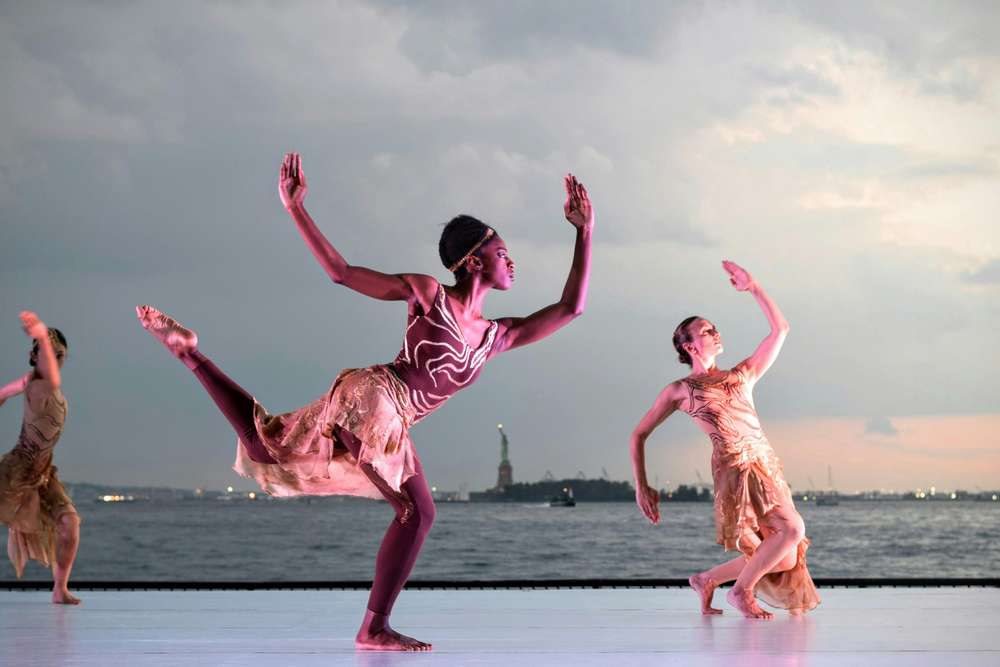
In this sense, young people must be put in a position to feel like protagonists of the necessary social and cultural change, understanding contemporary problems and reflecting on common solutions starting from the recognition of the value of each individual, promoting the care and valorisation of diversity as a resource for facing the future.
Living in a condition of physical, emotional, social and relational well-being is undoubtedly the first step in this direction and is the profound motivation that pushes the partnership to nominate this project. Furthermore, the project is innovative in its desire to accompany the intervention with evidence-based measurement and evaluation methods useful to make the project a best practice, a model that can be reproduced in other countries.