Dance, inclusion and diversity: how dance-based interventions can be useful for integration
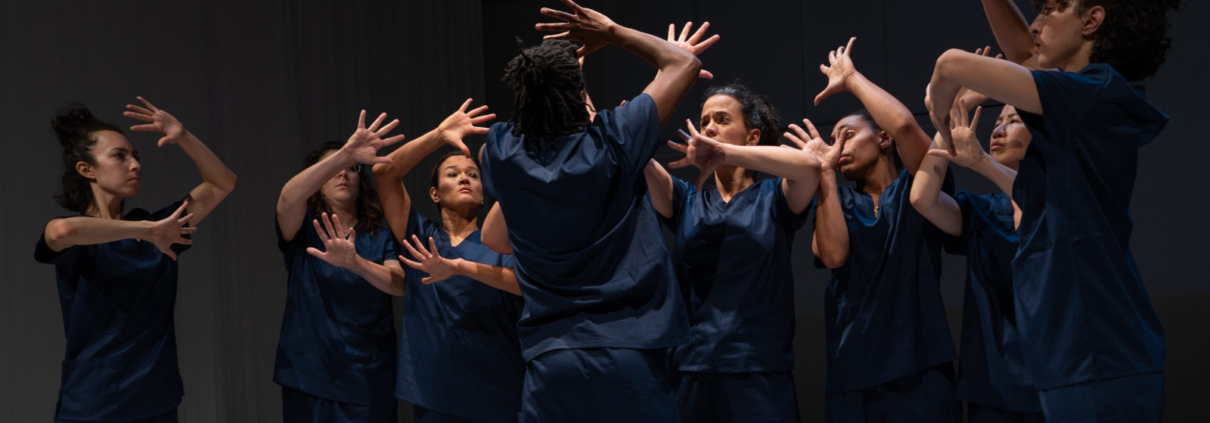
Learning how to express feelings and thoughts is traditionally not a subject formally addressed in schools. Free expression can take form in multiple ways, and arts are known to be a great mean for achieving it. To facilitate the inclusion and integration in society of teenagers and young adults in vulnerable situations, it can be important to encourage self-expression and to stimulate the development of social skills by creating safe spaces and fostering a sense of belonging and community. Dance, as an art, can offer tools to recognize, regulate and communicate emotions, and to connect people.
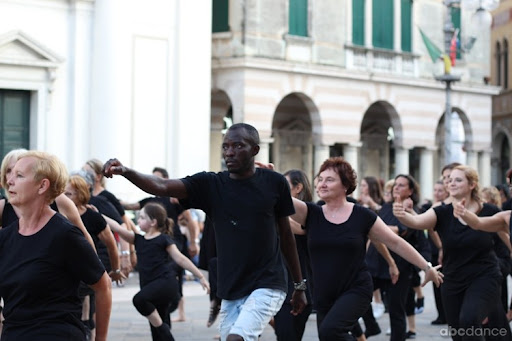
Among all the forms of art, dance also encompasses certain qualities of sports: its significance lies not only in the individual healthy lifestyle that it promotes (regular physical activity, cognitive flexibility and stress management, as examples) but also in the collective experience it provides. In fact, dance and various group sports share elements such as teamwork (through relational skills and cooperation) and values like empathy, cooperation and discipline.
Furthermore, creativity and communication are indispensable during the digital era, given the strong connection between young generations and the digital world – a relationship that, if not carefully managed, could hinder genuine creative and communicative abilities. Moreover, dance creates opportunities for personal interaction, enhances self-confidence and encourage self-expression, which are fundamental to establish interpersonal connections and to facilitate integration between members of the community.
For creation and expression, an environment rich in cultural, ethnic and socioeconomic diversity can offer different stimuli, perspectives and opportunities for inclusion. It can unlock innovation through a variety of expressions and cultural exchanges, while also strengthening community bonds and reinforcing values like respect and equitable access.
The well-being of individuals is directly related to the effectiveness of implementing their capacities for social inclusion and integration. Adapting to new environments can be challenging; it requires mental flexibility, changes in behaviour, listening skills, tolerance, and the ability to deal continually with stress, uncertainty and anxiety. From a continuous learning perspective, finding spaces and ways to practice these capacities is essential.