A testimonial from Romania: interview to Joao Carlos Cordova (Brasil)
Dancing as a Bridge – Integrating Adolescents Through Art: interview to Joao Carlos Cordova (Brasil)
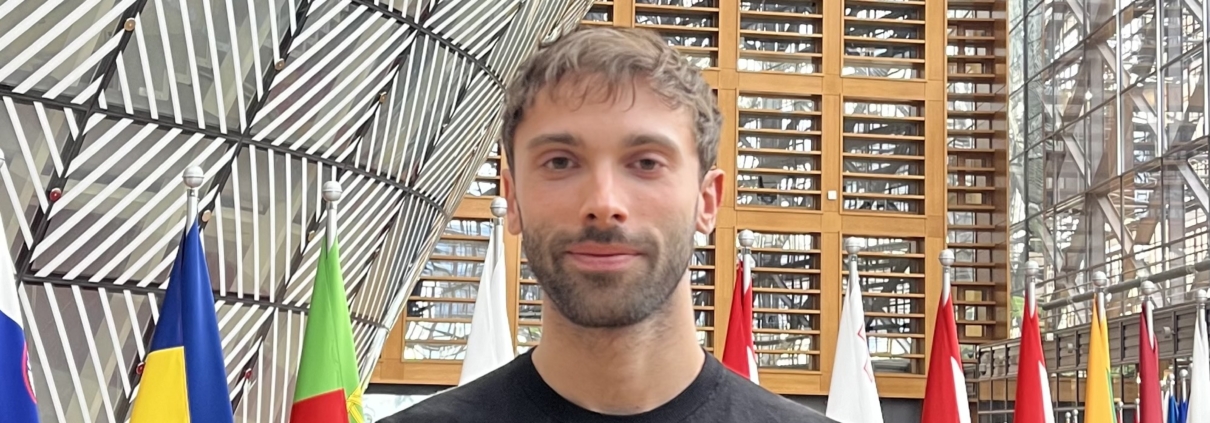
In this edition, we had a quick talk with João, one of the assistants of the You Dance project, about the A3 activity. We discussed about the dance-based interventions phase, the challenges he expects to encounter along the way and the benefits of the project. Through this conversation, we can have a better understanding of the impact of dance on these young individuals and his views about the broader goals of the You Dance project.
What motivated you to get involved in this project of dance classes?
My main motivation was the opportunity to use art as a tool for integration, since I have a big admiration for arts in general – mainly performing arts, like dance. From my point of view, social integration is fundamental for common shared well-being, and adolescence is a very important step in everyone’s life.
What are the main challenges expect to face while working with migrant and refugee adolescents?
I think challenges can be various, and it can enrich even more the project. Since we have candidates from numerous origins and different experiences, we are thinking of lessons that can reach everyone. We are very lucky to have with us teachers with a rich background of methods and teaching experiences.
For the integration part, it will be important to create a friendly and welcoming environment by reinforcing key values to stimulate acceptance, such as respect, self-expression, tolerance and consensus. It will be important to make sure that the adolescents know they are in safe space where they can try new things, make mistakes freely, observe others without judgments or pressures, and learn from both their own and other’s experiences. I think this is the best way to help them create a sense of belonging, which is so important in a place where everyone is learning.
What strategies do you use to engage adolescents from different cultural backgrounds?
Dancing is a deeply emotional form of expression, and being able to understand your own feelings and those of the others is fundamental for develop empathy and, consequently, for creating connections. Also, encouraging open dialogue and sharing personal experiences can facilitate mutual understanding and respect.
How do the dance classes help with the integration of adolescents into the local community?
Making new connections, strengthening self-confidence, encouraging teamwork, cooperation and empathy.
What message would you like to leave for others who are considering getting involved in similar initiatives?
Learning is always beneficial, so feel free to embrace new experiences and challenge yourself. You can achieve valuable results through teamwork and cooperation.